Engineered stem cells implanted to restore dopamine in Parkinson's patients
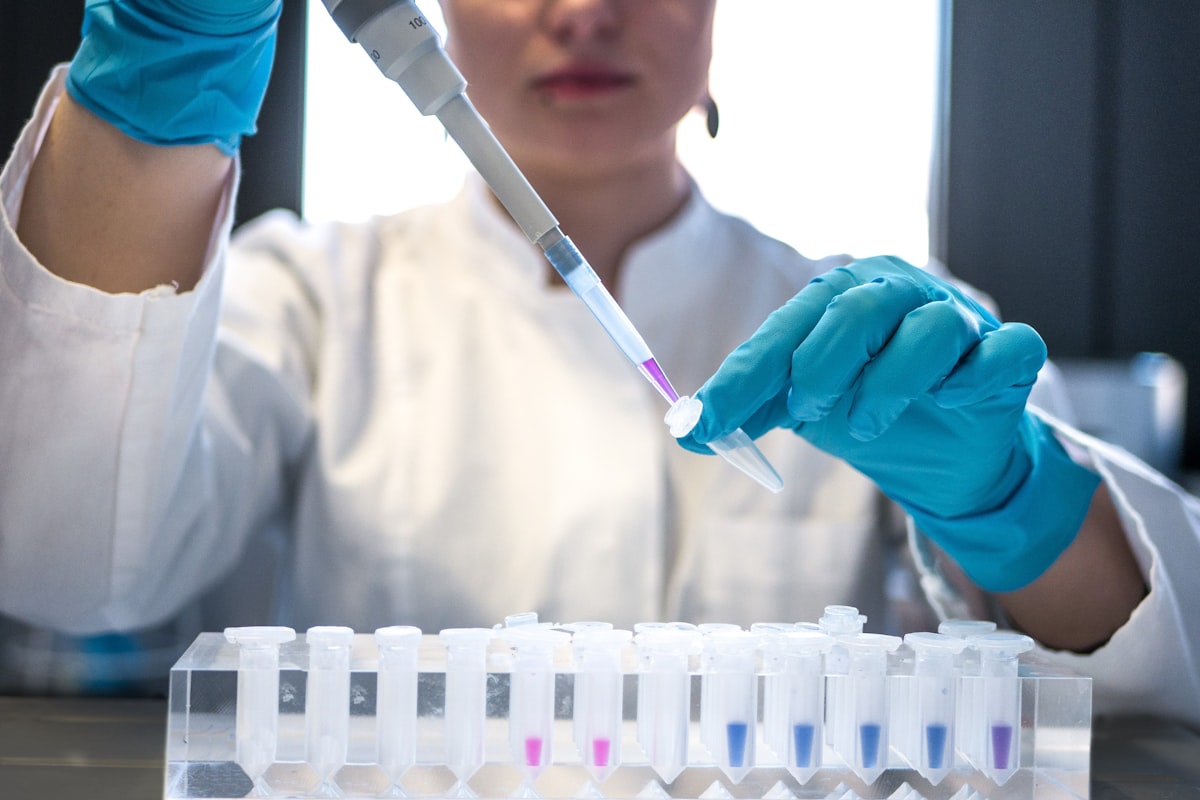
An early-phase trial is implanting lab-grown dopamine neurons directly into patients' brains to replace the cells lost to Parkinson's.
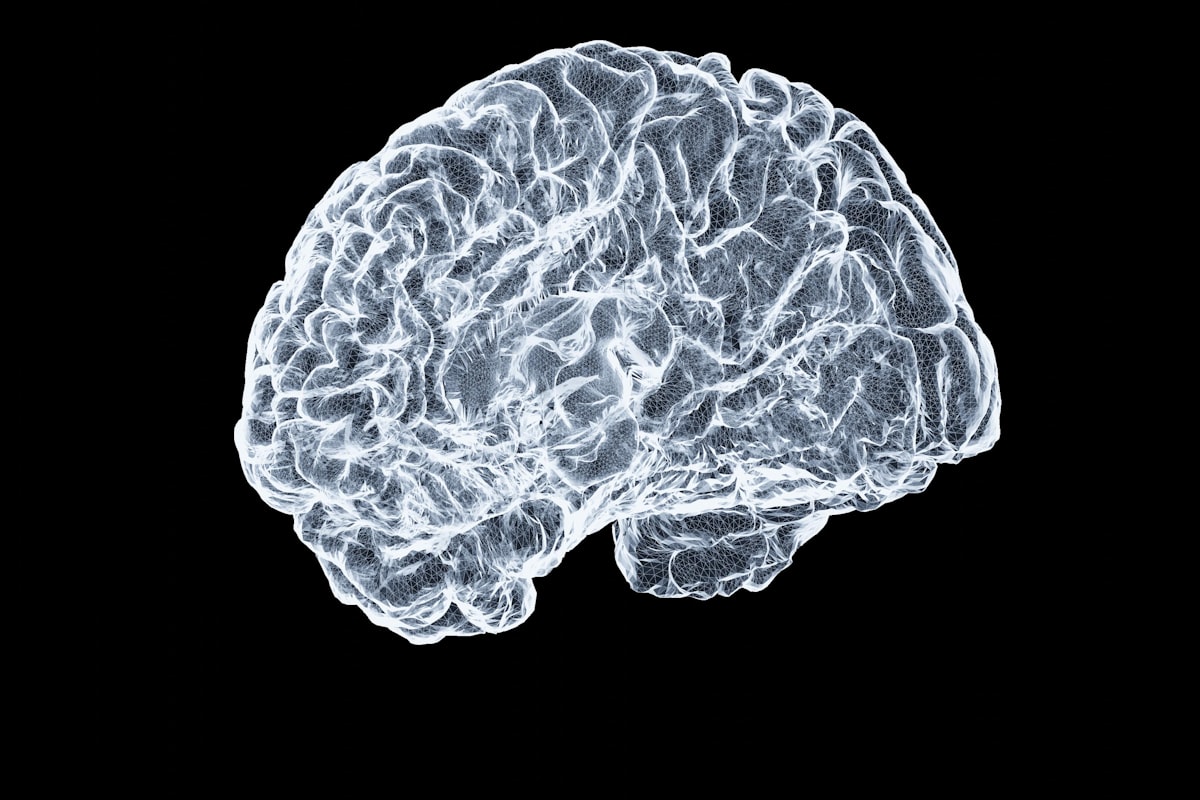
An early-phase clinical trial involving Keck Medicine of USC is testing whether engineered stem cells can help the brain rebuild its own dopamine supply. The therapy, called RNDP-001, starts from induced pluripotent stem cells (iPSCs) that are coaxed into dopamine-producing neurons and then implanted into the basal ganglia — the movement-control hub that becomes depleted in Parkinson's.
The study is enrolling 12 people with moderate to moderately severe Parkinson's across three U.S. sites. Participants will be followed for roughly 12 to 15 months so researchers can track changes in motor function and watch for any complications.
The aim is not just to mask symptoms but to slow or reverse the underlying loss of dopamine-making cells. RNDP-001 has received fast-track designation from the FDA, a status meant to speed the development of therapies for serious conditions.
This is an in-house summary. Read the full reporting at the original source: